What diseases can affect the eye? This is a critical question, especially when many serious eye conditions show no symptoms in their early stages. Even if your eyes feel perfectly healthy, underlying issues could be silently developing potentially leading to long-term or permanent vision damage.
From cataracts to diabetic retinopathy, several eye diseases can impact your ability to see clearly. That’s why regular eye exams play a vital role in early detection, timely treatment, and preserving your vision.
Let’s explore what diseases can affect the eye, how they develop, and why understanding them is essential to maintaining good eye health.
Table of Contents
Cataracts: Clouding of the Eye Lens
Among the most common answers to what diseases can affect the eye, cataracts stand out. Cataracts occur when the clear lens in the front of your eye becomes cloudy, causing blurry vision, glare, and trouble seeing at night. They often develop as you age but can also result from injury, prolonged steroid use, or exposure to UV rays.
Without treatment, cataracts can worsen over time, severely limiting your vision. Cataract surgery is a highly successful solution, restoring clear vision for millions of people each year.
Glaucoma: The Silent Vision Thief
If you’re wondering what diseases can affect the eye without early warning signs, glaucoma should be on your radar. This condition results from damage to the optic nerve, typically caused by increased fluid pressure inside the eye. Over time, this pressure can lead to permanent vision loss—often without noticeable symptoms until it’s too late.
Routine eye exams that measure eye pressure and optic nerve health are the best defense against glaucoma-related damage.
Retinal Disorders: Damage to the Eye’s Nerve Layer
Another serious condition on the list of what diseases can affect the eye is retinal disease. Your retina plays a crucial role in vision by converting light into electrical signals sent to the brain. When the retina becomes damaged due to trauma, disease, or age-related factors your vision may become distorted or lost entirely.
Common retinal disorders include:
- Retinal detachment
- Macular holes
- Retinitis pigmentosa
Early intervention is key to preserving sight in retinal conditions.
Age-Related Macular Degeneration (AMD)
What diseases can affect the eye as you age? Macular degeneration is a leading cause of vision loss in people over 50. It affects the macula—the central part of the retina responsible for sharp, detailed vision.
There are two types of AMD:
While there’s no cure for AMD, treatments and lifestyle changes can help slow its progression and preserve vision for as long as possible.
Diabetic Eye Disease: Hidden Vision Threat
If you have diabetes and are asking what diseases can affect the eye, diabetic eye problems are a top concern. High blood sugar levels can damage blood vessels in the retina, leading to a condition known as diabetic retinopathy.
This disease may cause symptoms like:
- Blurred vision
- Floaters
- Vision loss
Regular dilated eye exams are essential for people with diabetes to catch and manage this condition early.
Conjunctivitis (Pink Eye): A Common Infection
Though less severe than other conditions on this list, conjunctivitis is another valid answer to what diseases can affect the eye. Also known as pink eye, it causes inflammation or infection of the conjunctiva the clear layer covering the white of your eye.
Symptoms include:
- Redness
- Itchiness
- Discharge
- Tearing
Viral and bacterial conjunctivitis can spread quickly, especially in schools and public settings. Maintaining good hygiene and avoiding eye touching can help prevent transmission.
Who Is More at Risk for Eye Diseases and What Are the Treatment Options?
Many people don’t realize that certain factors can increase their chances of developing eye diseases over time. While some conditions are related to age, others can be influenced by lifestyle, ethnicity, and general health. Understanding who is more likely to face these vision challenges can help you take early steps toward prevention and proper care.
Who Has a Higher Risk of Eye Diseases?
As we grow older, our eyes naturally undergo changes that may raise the risk of developing various eye conditions. But age isn’t the only factor. You may also face a higher risk if:
- You’re overweight or obese – Extra weight has been linked to several health problems, including conditions that impact eye health, like diabetes and high blood pressure.
- You have a family history of eye conditions – Genetics can play a major role in diseases such as glaucoma, age-related macular degeneration, and certain types of retinal disorders.
- You belong to certain ethnic groups – People of African American, Hispanic, or Native American descent may face a higher risk of developing specific eye conditions, such as glaucoma or diabetic eye issues.
- You have existing health problems – Chronic conditions like diabetes or high blood pressure can significantly increase your chances of developing complications that affect your eyes, including vision loss.
Being aware of these risk factors is the first step toward maintaining long-term eye health.
What Treatment Options Are Available for Eye Conditions?
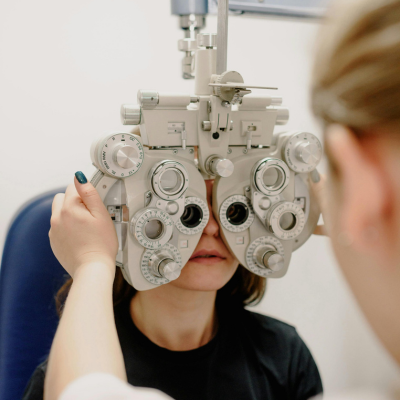
Eye diseases vary in type and severity, and so do the treatment methods. The good news is that many eye problems can be managed or corrected if diagnosed early. Depending on the specific condition, your treatment plan may include:
- Updated vision correction – A new prescription for glasses or contact lenses might be enough to improve vision affected by refractive changes or mild eye conditions.
- Visual aids – If reading or close-up work becomes difficult, devices like magnifying lenses or high-intensity lighting can help restore independence in daily tasks.
- Medications – Oral or topical medications, including prescription eye drops and ointments, are often used to reduce inflammation, manage pressure, or treat infections.
- Laser therapy – Certain diseases such as diabetic retinopathy or glaucoma may benefit from laser treatment, which targets damaged tissues or abnormal blood vessels without traditional surgery.
- Surgical procedures – When necessary, surgery can be an effective solution for more advanced or serious eye conditions like cataracts, retinal detachment, or blocked tear ducts.
Each case is unique, so working closely with an eye care specialist is essential to determine the best course of action for your individual needs.
Taking care of your eyes goes far beyond just improving blurry vision. If you fall into any of the higher-risk categories or even if you don’t it’s still important to schedule regular comprehensive eye exams. Early detection and timely treatment are your best defenses against vision loss.