Eye injuries can happen anytime, anywhere whether at home, school, during play, or while participating in sports. Understanding what causes eye injuries is essential to prevent serious damage and maintain lifelong eye health. Almost half of all eye injuries occur during sports and recreational activities, especially among children and teenagers. From blunt force to chemical exposure, the risks are everywhere.
Table of Contents
Common Causes of Eye Injuries
One of the leading reasons behind eye trauma is blunt force injury. This type of injury often occurs during sports when someone is hit by a ball, elbow, or other object. These incidents can cause internal bleeding in the eye, known as a hyphema, which can raise eye pressure and potentially lead to permanent vision loss.
Sharp trauma is another significant cause of eye injuries. Accidents involving objects like knives, sticks, or hooks can result in deep cuts to the eye or surrounding areas. Chemical exposure, such as contact with cleaning supplies or hand sanitizers, can also lead to severe irritation or burns.
If you’re asking what causes eye injuries, it’s essential to know that many common household items pose hidden dangers. Everyday tools like bungee cords, forks, gardening equipment, and rubber bands can cause serious eye harm. Even the contents of laundry or dishwashing pods can explode unexpectedly, splashing harmful substances into a child’s eyes.
Sports and Activities with High Risk
Some sports come with a greater chance of eye injury due to high-speed projectiles and player contact. Games like racquetball, baseball, basketball, field hockey, lacrosse, and hockey are particularly risky. These sports can cause a wide range of eye issues, from corneal abrasions to orbital fractures.
Dangerous Toys and Fireworks
Toys are another overlooked cause of eye injuries. Sharp or fast-moving toys like darts, pencils, BB guns, and paintball guns can easily harm delicate eye tissues. Similarly, fireworks remain a major hazard, especially for children. Fireworks can cause burns, lacerations, and even permanent vision loss.
Parts of the Eye That Can Be Injured
When considering what causes eye injuries, it’s important to understand which parts of the eye are most vulnerable. Injuries can impact:
- Eyelids: Sharp trauma or dog bites can cut the eyelids or tear ducts.
- Bones around the eye: Blunt trauma can cause fractures that may trap surrounding muscles.
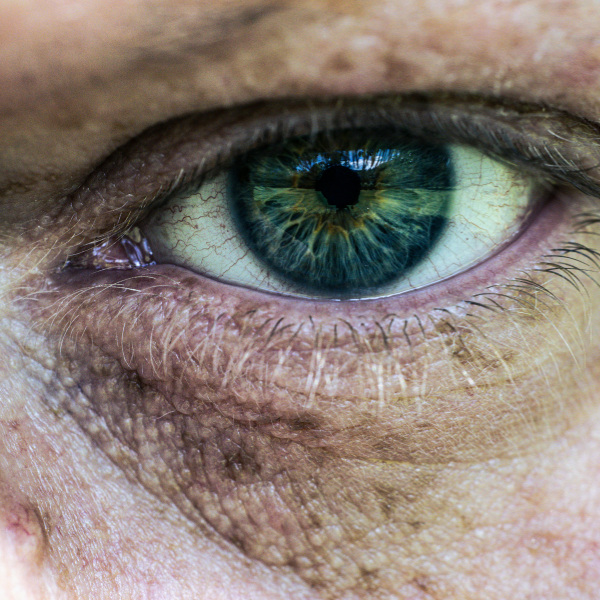
- Eyeball: The clear front surface of the eye (cornea) can be scratched, resulting in pain and vision problems.
A deep cut through the cornea from a sharp object can lead to permanent damage and usually requires immediate surgery.
What to Do After an Eye Injury
Responding quickly to an eye injury can make a significant difference. If there’s a chemical splash, rinse the eye with water for 10–15 minutes and seek medical help immediately. For injuries from sharp objects, do not attempt to remove the object. Instead, gently cover the eye with a clean container and rush to the emergency room.
If a child suffers from a blunt trauma, laceration, or any abnormal symptoms like swelling, redness, or vision changes, consult an ophthalmologist right away. Avoid giving the child any food or drink in case anaesthesia is needed.
Preventing Eye Injuries
Prevention is the best solution. Understanding what causes eye injuries helps us stay alert and take the necessary steps to protect our eyes. Use protective eyewear during sports or hazardous tasks around the home. Sports goggles with shatter-resistant lenses offer strong protection. Safety glasses should be worn when using chemicals or power tools.
Children should always be supervised during activities that carry a risk of eye injury, and dangerous substances should be kept out of reach.
Special Precautions for Those with Vision in Only One Eye
People with poor vision in one eye should always wear protective glasses to safeguard the healthy eye. Special prescription sports frames can be used for both protection and clear vision during physical activities.
Knowing what causes eye injuries is the first step in preventing them. Whether it’s a sports-related hit, a sharp household item, or an unexpected chemical splash, eye injuries can have long-lasting effects. Immediate response, proper protection, and awareness are key to keeping your vision safe. Protect your eyes, stay alert, and encourage safety practices at home and during play. Vision is priceless—take every step to preserve it.