Eye infections can be more serious than they appear, especially when left untreated. The top causes of eye infections you should know involve various bacteria, viruses, fungi, or even parasites entering the eye. These infections can affect different parts of the eye, including the cornea, conjunctiva, or internal tissues. It’s essential to understand how these infections develop, what symptoms to watch for, and when it’s time to call a doctor.
Table of Contents
How Do Eye Infections Happen?
The top causes of eye infections you should know often start with minor incidents like scratching the eye, wearing dirty or ill-fitting contact lenses, or even rubbing the eyes with contaminated hands. Any break in the eye’s protective layer can allow harmful microorganisms to enter and multiply.
Contaminated water sources, shared makeup tools, and poor lens hygiene are also key contributors. When bacteria or viruses find their way in, inflammation and irritation follow quickly, leading to uncomfortable symptoms that should not be ignored.
Common Signs of Eye Infections
Identifying an infection early can help prevent serious complications. The top causes of eye infections you should know can lead to symptoms such as:
- Eye pain or discomfort
- Redness in one or both eyes
- Excessive tearing or discharge (watery, mucous-like, or thick)
- Sensitivity to light
- Itching or a burning sensation
- Blurry vision
- Swelling of eyelids or around the eyes
If you experience any of these signs, especially if they worsen over time, it’s important to consult an eye care professional. Some infections are mild, but others can threaten your vision if left untreated.
When to Seek Medical Help
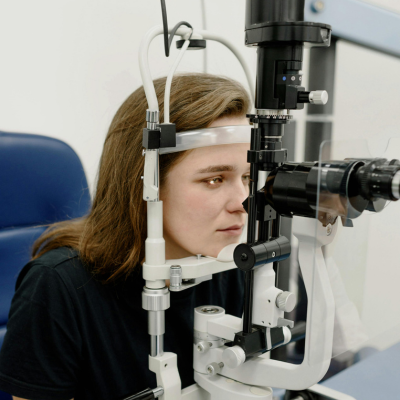
While mild cases like viral conjunctivitis (pink eye) may resolve on their own or with basic care, not all eye infections are harmless. Severe infections like keratitis or endophthalmitis require immediate medical intervention to prevent permanent vision loss.
The top causes of eye infections you should know can lead to serious complications if ignored. Don’t try to self-diagnose or treat a painful or worsening infection at home. Always contact a doctor if you notice sudden changes in your vision or eye appearance.
Diagnosing Eye Infections
Your eye care provider will assess your symptoms, medical history, and possible risk factors such as contact lens use or recent eye trauma. A physical exam will likely follow, and in some cases, additional tests like eye imaging, blood work, or a discharge sample might be required to pinpoint the exact infection type.
This helps in selecting the right treatment option based on the underlying cause and severity of the infection.
Are Eye Infections Contagious?
Some of the top causes of eye infections you should know especially viral or bacterial are contagious. For example, pink eye (conjunctivitis) can spread through direct contact or via contaminated surfaces. Practicing good hygiene, avoiding shared cosmetics or towels, and staying home when infected can help prevent transmission.
However, not all eye infections are contagious. Some result from trauma, improper lens care, or underlying health issues and don’t pose a risk to others.
Major Types of Eye Infections
To better understand the top causes of eye infections you should know, here are some of the most common types:
- Conjunctivitis (Pink Eye): A viral or bacterial infection causing red, itchy, and watery eyes.
- Keratitis: Inflammation of the cornea often related to contact lens misuse.
- Endophthalmitis: A serious infection inside the eyeball, often caused by surgery or trauma.
- Orbital Cellulitis: An infection of the eyelid and surrounding skin tissue.
- Sexually Transmitted Infections (STIs): Some viruses like herpes or syphilis can also lead to eye infections.
Each type of infection has its unique risk factors and symptoms, but all require timely care to prevent long-term damage.
Understanding the Top Causes of Eye Infections You Should Know is essential for maintaining long-term eye health and preventing serious complications. From poor hygiene and improper contact lens use to exposure to bacteria or viruses, many daily habits can unknowingly put your eyes at risk. By staying informed and practicing preventive care, you can significantly reduce your chances of developing an eye infection. If you ever notice symptoms like redness, pain, swelling, or discharge, don’t ignore them seek professional medical advice immediately. Taking proactive steps today can help protect your vision tomorrow