
When it comes to eye care, not all specialists are the same. Depending on your symptoms, age, or health history, you may need to see a specific kind of eye doctor. Understanding the different types of eye doctors and what they treat is essential to making the right healthcare decisions. Each type plays a unique role in maintaining and restoring your vision.
In this article, we’ll take a deep dive into the primary categories of eye care professionals, their specializations, and the conditions they are trained to handle.
Table of Contents
1. Optometrists (OD)
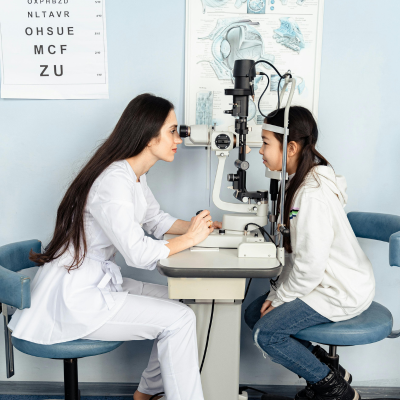
Optometrists are often the first line of care for general eye health. They hold a Doctor of Optometry (OD) degree and are licensed to examine, diagnose, and treat a wide range of eye conditions.
What They Do:
- Perform routine eye exams
- Prescribe glasses and contact lenses
- Diagnose refractive errors like myopia, hyperopia, and astigmatism
- Manage chronic conditions like glaucoma and dry eye syndrome
- Detect signs of systemic conditions such as diabetes or high blood pressure
Optometrists can also prescribe medications for certain eye infections or inflammations and are trained to identify when a patient needs a referral to a specialist like an ophthalmologist.
When to See an Optometrist:
- Annual vision checkups
- Prescription updates for corrective lenses
- Eye strain or mild visual disturbances
- Non-surgical management of chronic conditions
2. Ophthalmologists (MD or DO)
Ophthalmologists are medical doctors who specialize in eye and vision care. Unlike optometrists, they can perform eye surgery and treat more serious eye diseases. They undergo extensive training, including four years of medical school followed by a residency in ophthalmology.
What They Do:
- Comprehensive eye exams
- Diagnosis and treatment of complex eye diseases
- Perform surgeries like cataract removal, LASIK, retinal repair
- Manage advanced conditions like diabetic retinopathy, macular degeneration, and glaucoma
- Administer specialized treatments like eye injections or laser therapy
Because they are both physicians and surgeons, ophthalmologists are essential for patients with vision-threatening conditions.
When to See an Ophthalmologist:
- Sudden vision loss or changes
- Chronic eye disease that requires surgery
- Eye injuries or trauma
- Advanced diabetic or hypertensive eye issues
3. Opticians
Although opticians are not doctors, they play a key role in vision care. They are trained to fit and dispense eyewear based on prescriptions provided by optometrists or ophthalmologists.
What They Do:
- Help patients choose glasses or contact lenses
- Measure pupillary distance and adjust frame fit
- Ensure lenses meet the required prescription
- Educate patients on proper lens and frame care
Opticians do not conduct eye exams or diagnose eye problems, but they are highly skilled in delivering the correct eyewear solutions.
When to See an Optician:
- After receiving a new prescription for glasses or contacts
- For frame adjustments or repairs
- To order specialty lenses like bifocals or progressives
4. Pediatric Ophthalmologists
These are ophthalmologists who specialize in diagnosing and treating eye conditions in infants, children, and adolescents. Children’s eyes are still developing, so their treatment requires a gentle approach and specialized training.
What They Do:
- Diagnose and treat congenital eye diseases
- Manage strabismus (crossed eyes) and amblyopia (lazy eye)
- Monitor vision development
- Perform eye surgery in young patients when needed
They are also trained to detect early signs of neurological or developmental issues that manifest through vision problems.
When to See a Pediatric Ophthalmologist:
- If your child shows signs of vision issues
- Developmental delays related to eye coordination
- Eye injury or trauma in children
- Genetic conditions affecting eyesight
5. Neuro-Ophthalmologists
Neuro-ophthalmologists are medical doctors who deal with vision problems related to the nervous system. This includes issues stemming from the brain, optic nerve, or muscles that control eye movement.
What They Do:
- Diagnose and manage visual symptoms caused by neurological disorders
- Treat optic neuritis, double vision, and visual field loss
- Work alongside neurologists and neurosurgeons
- Perform advanced diagnostic tests like visual evoked potentials or brain scans
Their patients often have complex cases that involve multiple systems of the body.
When to See a Neuro-Ophthalmologist:
- Sudden vision loss with no clear cause
- Unexplained visual field changes
- Eye movement disorders
- Suspected neurological conditions like MS, stroke, or tumors
6. Retina Specialists
These are ophthalmologists who receive additional training in the treatment of conditions related to the retina and vitreous. The retina is critical for capturing light and sending signals to the brain.
What They Do:
- Diagnose and treat retinal detachment, macular degeneration, and diabetic retinopathy
- Use advanced imaging tools like optical coherence tomography (OCT)
- Perform delicate surgeries such as vitrectomy
- Administer eye injections to preserve vision
Retina specialists are crucial for managing conditions that can lead to blindness if not addressed promptly.
When to See a Retina Specialist:
- Sudden flashes, floaters, or a curtain over vision
- Ongoing diabetic eye complications
- Age-related macular degeneration
- Suspected retinal tears or detachment
7. Cornea Specialists
Cornea specialists are trained in diseases and surgery of the cornea, which is the clear front part of the eye that helps focus light.
What They Do:
- Diagnose and treat keratoconus, corneal ulcers, and dystrophies
- Perform corneal transplants or cross-linking procedures
- Handle complications from contact lens wear
- Provide specialty contact lens fittings
Their expertise is vital for patients experiencing pain, blurry vision, or light sensitivity due to corneal issues.
When to See a Cornea Specialist:
- Eye injury involving the front of the eye
- Chronic redness, pain, or blurred vision
- Contact lens discomfort or intolerance
- Diagnosis of a rare corneal condition
8. Oculoplastic Surgeons
These specialists focus on the structure around the eyes, including the eyelids, orbit, tear ducts, and facial bones.
What They Do:
- Perform reconstructive and cosmetic surgeries
- Treat drooping eyelids (ptosis), blocked tear ducts, and orbital fractures
- Remove tumors near the eye area
- Offer surgical options for conditions that impair vision due to structural deformities
Oculoplastic surgeons are both eye doctors and plastic surgeons, offering a blend of functional and aesthetic expertise.
When to See an Oculoplastic Surgeon:
- Cosmetic or reconstructive eyelid procedures
- Tumor removal around the eye
- Facial trauma affecting the orbital area
- Tearing problems due to duct issues
Why Knowing the Different Types of Eye Doctors Matters
Recognizing the different types of eye doctors and what they treat helps you seek the right specialist faster and more effectively. Whether it’s a vision correction issue or a more serious health concern, knowing whom to consult can make a critical difference in diagnosis, treatment, and long-term outcomes.
By matching your symptoms with the right kind of eye specialist, you save time, avoid complications, and protect your vision for the future. Always begin with a comprehensive eye exam, and follow up with referrals if your condition requires specialized care.
Your eyes are incredibly complex and deserve specialized attention when something goes wrong. From routine check-ups to advanced eye surgeries, each professional in eye care has a specific role to play. Understanding the different types of eye doctors and what they treat ensures that you’re getting the best care tailored to your condition.
Next time you book an eye appointment, you’ll know exactly who to see and why it matters.

2 thoughts on “Different Types of Eye Doctors and What They Treat”