Dry and irritated eyes are more than just a daily nuisance they can significantly affect your quality of life, productivity, and even your vision over time. With screen time at an all-time high and environmental irritants more prevalent than ever, people are actively searching for innovative ways to relieve these symptoms. Enter breakthrough light therapy treatments for dry and irritated eyes, a game-changing solution that’s transforming how we care for our eye health.
Table of Contents
What Is Light Therapy and How Does It Work?
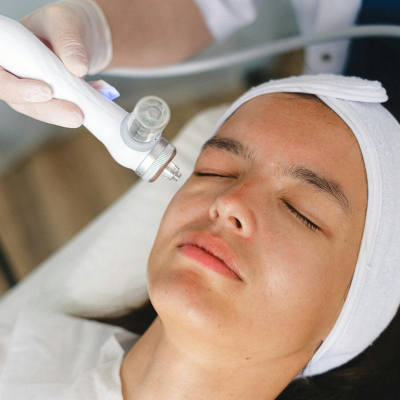
Light therapy, also known as photobiomodulation, involves the use of specific wavelengths of light—often red, blue, or near-infrared to stimulate natural cellular processes. Originally developed to heal wounds and improve skin conditions, this technology has made its way into ophthalmology and optometry for its powerful therapeutic benefits.
When it comes to breakthrough light therapy treatments for dry and irritated eyes, the goal is to reduce inflammation, improve tear production, and restore healthy eye surface function. Light penetrates the tissue around the eyes, promoting cellular energy (ATP) production, reducing oxidative stress, and enhancing blood circulation all essential for eye comfort and hydration.
Why Dry and Irritated Eyes Are a Growing Problem
Before diving into treatment types, it’s important to understand why dry eyes have become so widespread. Common causes include:
- Prolonged screen exposure
- Aging and hormonal changes
- Contact lens use
- Environmental factors (dust, wind, pollution)
- Certain medications (antihistamines, antidepressants)
- Autoimmune conditions like Sjögren’s syndrome
Conventional treatments such as artificial tears, warm compresses, and medications only offer temporary relief for many patients. That’s where breakthrough light therapy treatments for dry and irritated eyes are gaining traction: they treat the underlying problem rather than just masking symptoms.
Types of Light Therapy for Eye Health
Light therapy for ocular surface disorders primarily involves three main types of light:
1. Intense Pulsed Light (IPL) Therapy
Originally used in dermatology, IPL is now FDA-approved for managing dry eye disease, especially when caused by Meibomian Gland Dysfunction (MGD). IPL emits broad-spectrum light that targets inflamed blood vessels, reduces bacterial overgrowth, and clears blockages in the oil-producing glands of the eyelids.
By reducing inflammation and restoring lipid balance in tears, IPL can provide long-lasting relief and even reduce the need for eye drops over time.
2. Low-Level Light Therapy (LLLT)
LLLT uses red or near-infrared light to stimulate mitochondrial activity and improve cellular repair. It’s non-invasive and pain-free, making it ideal for people with sensitive skin or eyes. This type of therapy can reduce inflammation and improve tear film stability, essential for relieving irritation and dryness.
LLLT devices are often shaped like eye masks or handheld applicators used in clinical or home settings.
3. Quantum Molecular Resonance (QMR) and LED Therapy
Though newer and less widely available, QMR and LED light therapies are also making waves. These systems use specific frequencies of light to influence molecular structures, promoting tissue regeneration and reducing inflammation.
While research is still ongoing, early clinical results are promising for chronic dry eye sufferers who haven’t responded to other therapies.
Benefits of Breakthrough Light Therapy Treatments for Dry and Irritated Eyes
The shift toward light-based treatment isn’t just a trend—it’s grounded in real clinical outcomes. Here are some of the key benefits:
- Reduces inflammation in the eyelids and ocular surface
- Improves oil gland function, especially in Meibomian Gland Dysfunction
- Boosts tear quality and quantity
- Alleviates pain, redness, and burning
- Minimizes the need for artificial tears or prescription drops
- Delivers long-term relief with cumulative effects over sessions
By targeting root causes like gland dysfunction and oxidative stress, breakthrough light therapy treatments for dry and irritated eyes go beyond symptomatic treatment.
What to Expect During a Light Therapy Session
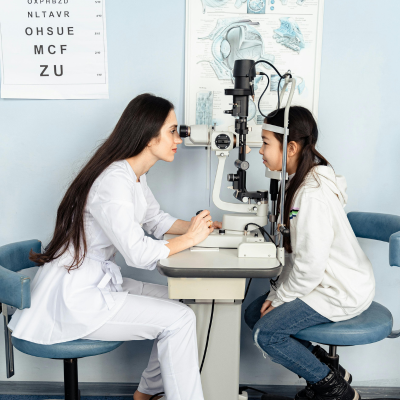
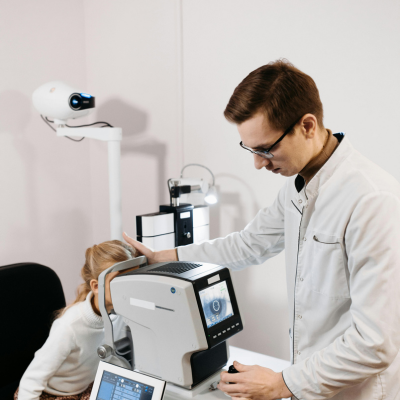
Most light therapy treatments are performed in a clinical setting under the supervision of an eye care professional. A typical session may include:
- Cleansing the eyelids and surrounding skin
- Application of a gel or protective eye shields
- Gentle pulsed or continuous light exposure for 10–20 minutes
- Post-treatment care instructions (avoiding sun exposure, applying cool compress)
Patients typically undergo multiple sessions (3–5) spaced weeks apart for the best results. Some portable devices also allow for home-based maintenance under doctor guidance.
Who Should Consider Light Therapy?
Light therapy is generally safe for most adults, but it is especially recommended for:
- People with chronic dry eye not responding to drops
- Individuals with Meibomian Gland Dysfunction (MGD)
- Patients experiencing redness, inflammation, or swelling of the eyelids
- Contact lens wearers with ongoing discomfort
- Screen-heavy professionals or digital workers
However, those with photosensitivity disorders, epilepsy, or active eye infections should consult their ophthalmologist before starting treatment.
Are There Any Side Effects?
When administered by trained professionals, light therapy has a very low risk of side effects. Some patients may experience:
- Mild redness or warmth around treated areas
- Temporary light sensitivity
- Tingling sensation during or after treatment
These effects typically subside within a few hours. Using protective eyewear and following aftercare guidelines helps ensure a safe and comfortable experience.
Clinical Backing and FDA Approvals
Several breakthrough light therapy treatments for dry and irritated eyes are FDA-approved and backed by peer-reviewed studies. For instance, IPL therapy is widely supported for managing MGD and chronic dry eye. Similarly, LLLT has shown significant improvements in tear breakup time and ocular surface staining in clinical trials.
The growing body of evidence suggests that light therapy is not just effective but potentially more durable than traditional methods.
Is Light Therapy the Future of Dry Eye Management?
Given the rising incidence of dry eye and the limitations of conventional treatments, light therapy is increasingly seen as a cornerstone of modern eye care. Its ability to treat the source of inflammation and gland dysfunction positions it as a valuable option for both patients and practitioners.
As technology continues to evolve, we can expect even more personalized, home-based, and AI-assisted light therapy solutions in the future.
Final Thoughts
Dry and irritated eyes don’t have to be a lifelong struggle. With the advent of breakthrough light therapy treatments for dry and irritated eyes, patients now have access to cutting-edge, non-invasive options that deliver long-lasting relief. Whether you’re struggling with screen-induced eye fatigue or chronic Meibomian Gland Dysfunction, light therapy may be the solution you’ve been waiting for.
Always consult an eye care specialist to determine if light therapy is right for your specific condition—and step into the future of eye health with confidence.