
In today’s digital-first lifestyle, more people are asking, “What does eye care mean and why is it important for healthy vision?” Eye care isn’t just about visiting the eye doctor once a year it’s a vital part of your everyday health routine. From screen fatigue and pollution to poor diet and sleep habits, many factors can harm your eyes without you noticing.
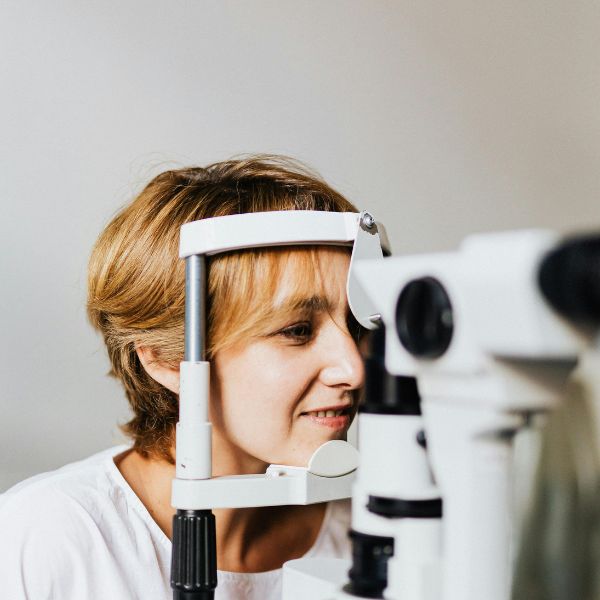
It refers to the practices, habits, and preventive measures you take to maintain good vision and overall eye health. By understanding why eye care is important for healthy vision, you can prevent problems before they start and support lifelong visual clarity.
Table of Contents
1. What Are the Key Daily Habits That Define Proper Eye Care?
Simple, Consistent Habits Can Protect Your Vision
If you’re wondering what does eye care mean and why is it important for healthy vision, start with your daily routine. Daily eye care isn’t complicated it’s about consistency and awareness.
Essential Eye Care Habits Include:
- Follow the 20-20-20 Rule: Every 20 minutes, look at something 20 feet away for 20 seconds to reduce eye strain.
- Blink Consciously: Especially while using screens. Blinking lubricates and refreshes your eyes.
- Stay Hydrated: Dehydration can lead to dry eyes and blurry vision.
- Eat Vision-Friendly Foods: Carrots, leafy greens, oranges, almonds, and salmon help nourish your eyes.
- Get Enough Sleep: Sleep helps your eyes repair and prevents fatigue.
- Use Proper Lighting: Avoid eye strain by working in well-lit areas, especially when reading or doing detailed tasks.
These habits define the foundation of what proper eye care means. They’re accessible to everyone and have lasting effects.
2. How Does Digital Screen Exposure Affect Eye Health Today?
Screens Are the New Threat Eye Care Counters It
Digital Eye Strain Is Real
Staring at screens for hours contributes to:
- Computer Vision Syndrome
- Dry Eye Syndrome
- Blurry Vision
- Frequent Headaches
- Neck and Shoulder Tension
Tips to Protect Eyes from Digital Damage:
- Activate Blue Light Filters: Most smartphones, tablets, and PCs have this feature to reduce eye strain.
- Adjust Screen Settings: Keep brightness and contrast balanced with your room’s lighting.
- Position Screens Properly: Keep your device at arm’s length and screen center aligned with your eyes.
- Take Scheduled Breaks: Even a short walk or looking outside for a few minutes makes a difference.
- Use Artificial Tears: Especially if you work in air-conditioned spaces or long hours on devices.
These practices ensure your eyes stay protected in a digital environment. They’re core to the evolving definition of what eye care really means today.
3. Why Are Regular Eye Exams a Must for Long-Term Vision Health?
Prevention Is Better Than Cure and Cheaper Too
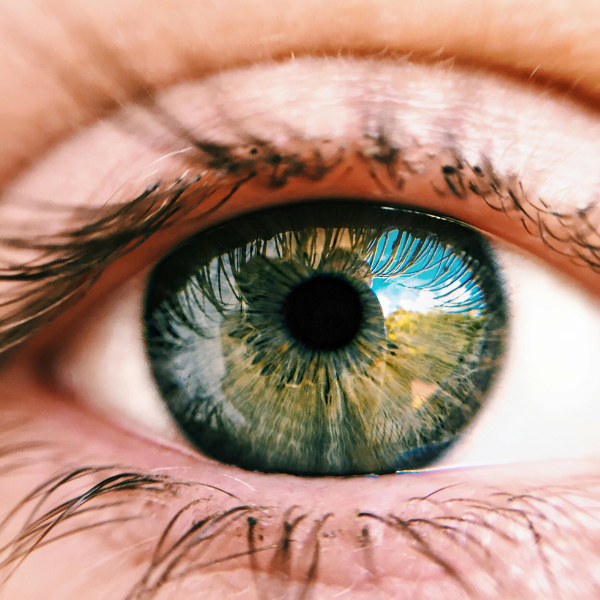
regular eye exams are your first line of defense against silent vision threats.
You may not notice early symptoms of many eye conditions. Regular check-ups can reveal:
- Glaucoma
- Cataracts
- Macular Degeneration
- Diabetic Retinopathy
- Refractive Errors (like Myopia and Hyperopia)
Why You Should Schedule Eye Exams Annually:
- Update Prescriptions: Whether you wear glasses or contact lenses.
- Monitor Eye Pressure: Early detection of glaucoma can prevent permanent damage.
- Check Retina and Blood Vessels: Especially important for diabetics and hypertensive patients.
- Prevention Is Cheaper: Catching an issue early is far less costly than treatment later.
An eye exam isn’t just about seeing clearly—it’s about ensuring the overall health of your eyes. It’s one of the most important aspects of true eye care.
Other Vital Sections Supporting the Focus Keyword
Eye Nutrition: What Foods Support Healthy Vision?
Part of answering what does eye care mean and why is it important for healthy vision includes understanding the role of nutrition.
Top Nutrients for Eye Health:
- Vitamin A – Carrots, sweet potatoes
- Vitamin C – Citrus fruits, bell peppers
- Vitamin E – Almonds, sunflower seeds
- Lutein & Zeaxanthin – Kale, spinach
- Omega-3 Fatty Acids – Salmon, flaxseeds
Eating a colorful, balanced diet can help delay or even prevent age-related vision issues.
Environmental Eye Care: How to Shield Eyes from Damage
Environmental irritants like UV rays, smoke, dust, and pollution can impact eye health. A complete answer to what does eye care mean includes external protection.
Protective Tips:
- Wear UV-Blocking Sunglasses: Even on cloudy days.
- Use Protective Eyewear: When working with chemicals or power tools.
- Avoid Smoking: Reduces risk of cataracts and macular degeneration.
- Improve Indoor Air Quality: Use humidifiers and clean air filters.
Eye Care at Different Life Stages
Eye care is not one-size-fits-all. What it means and why it’s important varies by age.
Children and Teens
- First eye exam by age 6 months, then 3 years, then before school.
- Limit screen time and encourage outdoor play.
Adults (20s–40s)
- Monitor screen habits.
- Begin regular annual eye checkups, especially if using contact lenses or glasses.
Seniors (60+)
- Higher risk for cataracts, AMD, and glaucoma.
- More frequent exams (every 6–12 months) recommended.
Mental Health and Eye Strain: What’s the Connection?
Chronic stress, lack of sleep, and mental burnout can impact your eyes. Symptoms include:
- Twitching eyelids
- Blurred vision
- Dryness or watering
Support both your vision and mental health by:
- Practicing mindfulness
- Getting 7–8 hours of sleep
- Taking screen breaks
- Doing eye exercises and stretches
Affordable Eye Care Tips Everyone Should Know
Concerned that proper eye care might be expensive? In fact, eye care means being proactive not pricey.
Low-Cost Eye Care Strategies
- Use government or NGO-run clinics for exams.
- Buy protective eyewear online during offers.
- Consume affordable eye-support supplements.
- Focus on prevention, not costly late treatments.
You don’t need a big budget to practice eye care for healthy vision you just need consistency.
So, what does eye care mean and why is it important for healthy vision? In simple words, eye care means taking daily steps to keep your eyes healthy and your vision clear. It’s about building good habits like protecting your eyes from screens and sunlight, eating the right foods, staying hydrated, and getting regular eye check-ups.
Healthy eyes help you live better. From reading and driving to working on a computer or enjoying family time your vision affects almost everything you do. That’s why taking care of your eyes isn’t just important it’s essential.
Don’t wait for problems to appear. Start practicing smart eye care today. Whether you’re young or old, small efforts every day can protect your eyes for a lifetime. Your vision is one of your most valuable assets treat it with the care it deserves.
2 thoughts on “What Does Eye Care Mean and Why Is It Important for Healthy Vision?”