
What is Puffy Eyes? If you’ve ever looked in the mirror and noticed swelling around your eyes especially in the morning you’ve likely experienced puffy eyes. This condition is quite common and can affect anyone regardless of age or gender. While puffy eyes are usually harmless, they can be frustrating, especially when they affect your appearance or self-confidence.
In this guide, we’ll dive deep into what puffy eyes are, how to identify them, and what you can do about them. Whether you’re dealing with occasional puffiness or frequent under-eye swelling, understanding what is puffy eyes and how to manage it is key to maintaining healthy and youthful-looking skin.
Table of Contents
What is Puffy Eyes and How Can You Identify It?
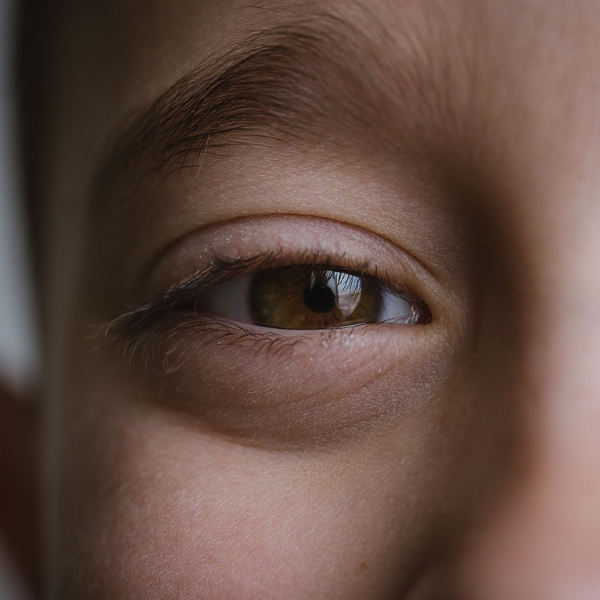
In simple terms, puffy eyes refer to noticeable swelling or puffiness in the upper or lower eyelid area. This swelling is typically caused by fluid retention in the tissues around the eyes. The skin around the eyes is extremely delicate, so even minor changes like fluid build up or inflammation—are visible quickly.
Some common signs of puffy eyes include:
- Swollen upper or lower eyelids
- A tired or droopy look
- Puffiness that’s worse in the morning and improves throughout the day
- Mild irritation or sensitivity around the eyes
- A feeling of heaviness around the eyes
The question “What is puffy eyes?” isn’t just about definition it’s also about recognizing the symptoms early. This awareness helps you take action before puffiness becomes more prominent or chronic.
Is Puffy Eyes the Same as Eye Bags?
Many people confuse puffy eyes with under-eye bags, but they are not always the same. Puffy eyes are often temporary and caused by short-term factors like fatigue or fluid retention. On the other hand, under-eye bags are more permanent and may result from skin laxity, fat displacement, or genetics.
Understanding what is puffy eyes means also recognizing its distinction from other similar conditions. This helps you choose the right treatment and avoid unnecessary skincare products.
When Should You Worry About Puffy Eyes?
While puffy eyes are usually cosmetic and harmless, in some cases, they might be a sign of an underlying issue. If you experience the following symptoms, consult a healthcare professional:
- Persistent swelling that doesn’t go away
- Redness, itching, or pain
- Swelling only in one eye
- Discoloration or visual disturbances
Knowing what is puffy eyes also includes knowing when it’s time to seek medical advice. Sometimes, puffiness may be related to allergies, infections, or even thyroid problems.
Can Lifestyle Choices Lead to Puffy Eyes?
Absolutely. Your lifestyle plays a huge role in the appearance of your eyes. Factors like sleep patterns, hydration, diet, and skincare routines can all contribute to eye puffiness.
To minimize puffiness, consider the following tips:
- Get 7–8 hours of sleep each night
- Avoid salty foods, which can increase fluid retention
- Stay hydrated to reduce water imbalance in tissues
- Cut down on alcohol and caffeine
- Always remove makeup before bed to prevent irritation
Understanding what is puffy eyes involves more than just its appearance—it’s also about recognizing the impact of your daily habits on your eye health.
How Does Aging Influence Puffy Eyes?
Aging naturally affects the skin and muscles around the eyes. As we get older, the tissues around the eyes, including some of the supporting muscles, weaken. Fat that supports the eyes can then move into the lower eyelids, causing them to appear puffy.
So, if you’re wondering what is puffy eyes in the context of aging—the answer is: it’s often a part of the natural aging process. However, proper care can minimize its appearance.
Do Skincare Products Help with Puffy Eyes?
Yes many over-the-counter skincare products are designed specifically to reduce puffiness and soothe the under-eye area. Look for eye creams or gels that include the following ingredients:
- Caffeine: Helps constrict blood vessels and reduce swelling.
- Hyaluronic Acid: Hydrates the skin and improves elasticity.
- Vitamin C & E: Help fight free radicals and improve skin tone.
- Peptides: Boost collagen production and firm the skin.
Applying these products in a gentle, upward motion can reduce puffiness and support long-term skin health. If you’re wondering what is puffy eyes and how to treat it without medical intervention start with a targeted skincare routine.
Are Home Remedies Effective for Puffy Eyes?
While not a substitute for medical advice, some home remedies can help reduce mild puffiness. These include:
- Cold Compress: A chilled spoon or cucumber slice applied for 10 minutes can help reduce swelling.
- Green Tea Bags: Soaked and cooled tea bags have anti-inflammatory properties.
- Aloe Vera Gel: Contains antioxidants and can help soothe the skin.
- Potato Slices: Natural bleaching properties and antioxidants may reduce puffiness and dark circles.
These remedies can be helpful if you’re trying to manage occasional puffiness at home. They’re cost-effective and easy to include in your routine while addressing what is puffy eyes in a natural way.
How to Prevent Puffy Eyes Before They Start
Prevention is always better than cure especially when it comes to eye care. Here are some effective strategies:
- Sleep Right: Elevate your head slightly to prevent fluid buildup.
- Stay Cool: Use a cold eye mask at night.
- Manage Allergies: Use antihistamines if recommended by your doctor.
- Hydrate Inside Out: Drink enough water and moisturize your skin.
- Use Sunscreen: Protect the delicate under-eye area from sun damage.
These tips serve as a guide for anyone asking what is puffy eyes and how can I stop it from happening in the first place?
Do Diet and Hydration Affect Puffy Eyes?
Yes your diet directly influences fluid retention in the body. Too much sodium or processed food can cause swelling, especially around the eyes. On the flip side, a diet rich in antioxidants, healthy fats, and hydration will benefit your eyes and skin.
Foods that help reduce puffiness:
- Berries (antioxidants)
- Leafy greens (vitamin C and iron)
- Nuts and seeds (vitamin E)
- Avocados (healthy fats)
- Cucumbers and watermelon (hydrating)
So next time you wonder what is puffy eyes, consider starting with a healthy grocery list!
Are There Medical Treatments for Persistent Puffy Eyes?
If lifestyle changes and skincare aren’t working, medical options are available. Some of the popular treatments include:
- Dermal Fillers: Restore volume and smooth out the under-eye area.
- Laser Therapy: Helps tighten loose skin and improve elasticity.
- Blepharoplasty (Eyelid Surgery): A surgical solution for removing or repositioning fat under the eyes.
- Microneedling & RF Treatments: Stimulate collagen to reduce puffiness and firm the skin.
Why Awareness Matters
Medical treatments are ideal for chronic or severe cases. Understanding what is puffy eyes can also help you explore these options with your dermatologist confidently.
Understanding what is puffy eyes goes beyond just noticing swelling around your eyes—it’s about recognizing the signs your body may be giving you. Puffy eyes can result from various internal and external triggers, and knowing the difference is the first step to managing them effectively.
By learning what puffy eyes truly are, you empower yourself to take early action, maintain eye health, and restore a refreshed, youthful appearance. Whether it’s adjusting your lifestyle, improving your sleep routine, or using targeted eye care products, there are practical ways to reduce puffiness and improve your confidence.
So, the next time you wonder what is puffy eyes, remember—awareness leads to prevention, and prevention leads to healthier, brighter eyes. Make your eye care routine a daily priority, because your eyes deserve the best.

3 thoughts on “What is Puffy Eyes”